
EQUITY IN ACTION: DEVELOP A GRADING STRUCTURE

In our earlier blog articles on equity, we explored the foundational concepts of pay equity and transparency and the importance of job evaluation. Today, we’ll explore a practical tool that helps bring these principles to life: the grading structure.
A grading structure serves as the backbone of your compensation program. It systematically categorizes roles based on their responsibilities, skills, and value to the company. This clarity in roles and compensation levels not only ensures fair pay but also fosters transparency and trust within your workforce.
The importance of role clarity before grading
Before creating your grading structure, conducting a comprehensive job evaluation is imperative. The process involves analyzing each role within your organization to understand its distinct responsibilities, needed skills, and the value it brings to the organization. Well-defined roles are the building blocks of a fair and equitable grading system, preventing ambiguity, overlap, and potential pay disparities.
Choosing the right grading structure model
There are three types of grading structures, each with its own advantages and considerations:
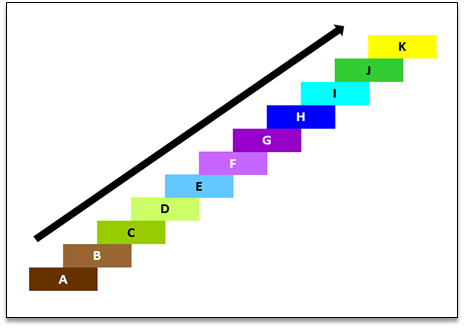
- Individual grade levels. This traditional, hierarchical system offers distinct levels for career progression, with promotions tied to skills growth and capacity development. While it can provide clear paths for advancement and is easier to manage, it may also create rigid structures where movement to the next grade requires an increase in salary.
- Broad-banded grades. This approach features wider salary ranges and fewer levels, emphasizing lateral movement and skill broadening without necessarily increasing pay. It provides greater flexibility for employees to grow in skill or job level within the organization without focusing solely on climbing the ladder.

- Project grade levels. This system is designed for organizations that need roles that have short lifespans to reflect the project timing without the possibility of promotion. A structure like this is only appropriate for project-based organizations with fixed-term contracts. Project-based structures often have higher minimums, reflecting the need for employers to reach experienced talent that can “hit the ground running.”

At Birches Group, we primarily use a robust individual job-level system. Our years of experience in global human resources (HR) have allowed us to define 14 generic CommunityTM Job Levels. Each of the 14 levels, from BG-1 to BG-14, is expressed in milestones of contribution that show differences in depth and complexity. For an in-depth discussion on our 14 CommunityTM Job Levels, download a copy of our job evaluation e-book, Determining Equivalent Worth: The Simplest Approach to Job Evaluation.
Defining your grade levels
Once you've chosen a model, you can begin grouping roles with similar responsibilities, skills, and value into grade levels.
The process of defining grade levels involves grouping roles with similar attributes. This ensures that employees with comparable responsibilities and skill sets are placed within the same grade, promoting fairness and transparency.
Aligning job grades with your organization’s needs
Your grading structure should reflect your organization’s mission, the relationship between each grade level, and how staff should move from one level to the next. It’s essential to review and adjust your structure every five or so years to keep it aligned with your evolving organization.
The Birches Group framework
Birches Group helps organizations create appropriate grading structures that align with their roles and future needs. Our framework is known for its clarity and simplicity, making it easy to create effective and fair grading structures.
We offer various tools, resources, and consulting services to help you navigate this process and achieve your equity goals. Our grade structure design consulting service mainly focuses on existing roles in your organization, job progression, and the anticipation of more teams or positions to be added.
Coming up next
In our next blog post in the equity series, we'll explore how to use salary surveys to ensure your compensation practices remain competitive and equitable.
If you're ready to take the next step in your equity journey, contact Birches Group today. We're here to guide you through the process and help you build a workplace where everyone feels valued, recognized, and rewarded.

Carla is a part-time copywriter on our marketing team in Manila. Before shifting to freelance writing in 2020, she worked as a marketing and communications specialist at the offices of EY and Grant Thornton. She has written about HR and career development for Kalibrr.
Follow us on LinkedIn for more content on pay management and HR solutions.