
Empowering Staff of the World Economic Forum
What's the context?
The World Economic Forum (WEF) is a multidisciplinary organization drawing its staff from both the public and private sectors to build engagement on the serious challenges found in international relations. With the goal to Build a Better World for more than fifty years, the Forum has pursued engagement across a wide range of issues, bringing together leaders from across the world. How it has formed its workforce to support its impressive continuing programs and sustain interest in how it builds consensus and understanding is unique in the international organization community. The secret to its success lies in the visibility of its programs.
What's the challenge?
The World Economic Forum is much more than its annual gathering in Davos. Again, while it forms groups and communities to develop insight on a wide range of challenging topics, what sustains the organization and continues to distinguish it as a unique contributor is its capacity and expertise to simply bring people together.
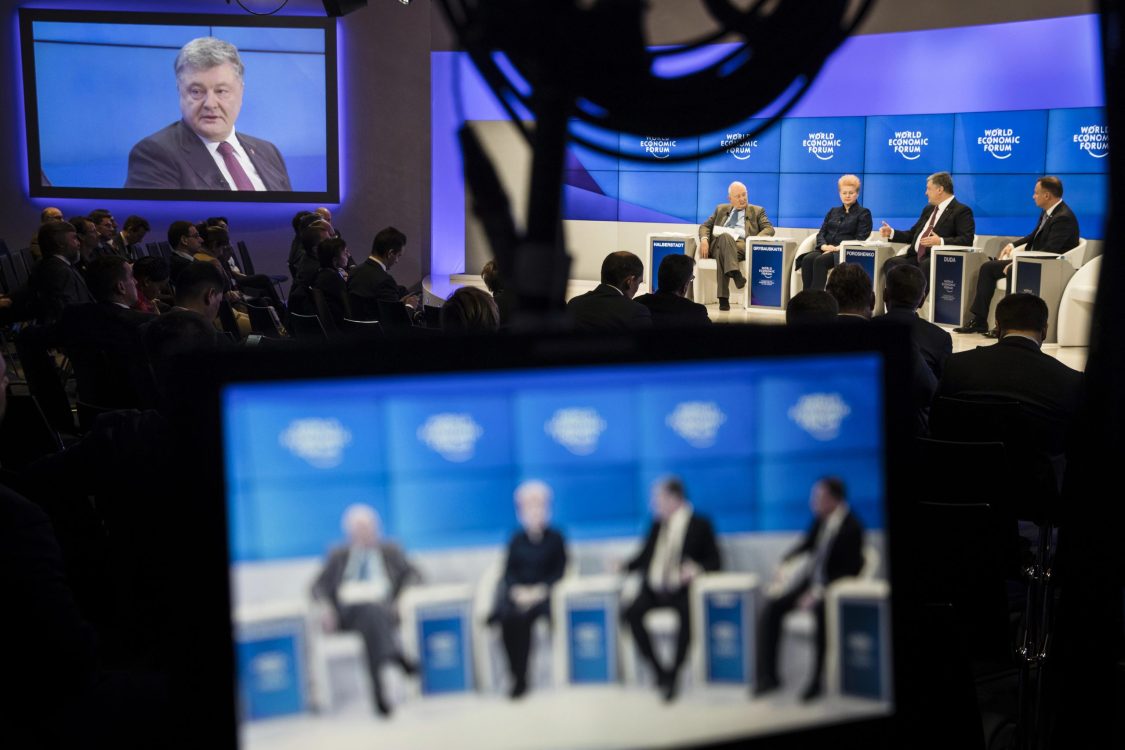
The organization of the Davos event is a prime example of what the Forum does best. Each year, it hosts a gathering of the great leaders from the public and private sectors, including world leaders and titans of industry.
The central challenge is how to build and sustain a workforce capable of delivering high-impact convenings while maintaining motivation and engagement in a demanding environment.
What's the solution?
The Forum’s structure aligns with the headlines of the day. Relevance is the guiding principle, both in the structure of its programs and its growing network of offices. This focus is central to how the Forum attracts its staff and motivates their efforts to lead dialogue and secure engagement.
Interestingly, the Forum is not primarily a career organization. There is a regular turnover of staff. The stress of continually delivering engaging programs and a phenomenal annual gathering does take its toll. However, it is in this high-powered environment that the Forum achieves the motivation and empowerment of its staff. While relatively well-remunerated, the Forum attracts its staff for the work and the experience that is gained and not the money on offer. The Forum fundamentally is a networking organization. It is because of this character that it is sought as a unique place to work and build your professional network.
The Forum has high expectations of its staff, and it rewards the staff through an intense learning and professional experience. The lead-up to the annual Davos event brings participation across the Forum, where any and all are expected to be working intensely for the success of the conference.
It is little wonder why, working on this event and all the substantive studies that serve to attract the audience, after two to three years, many staff are ready for a change.
What's the outcome?
The structure of the Forum is largely a rank-in-person approach. Efforts to build a more classic hierarchy have not been very successful. Individuals seek recognition based on what they are doing, which can cross quite a range of tasks and complexities. The emphasis is more on getting things done than on where you are in the structure. So the empowerment of staff through a high-octane work environment is highly effective for sustaining engagement for as long as a person can manage this work environment.
What's the takeaway?
Many public institutions seek to motivate staff through mission alignment. The Forum extends this principle by embedding empowerment within intensity and visibility. Instead of relying on predictable career progression, it generates momentum through relevance and high-stakes execution. This is a very dynamic environment for those who like bright lights.